
From the sun to the solar cell, the solar cell to current, with words such as hybrid, and maximum power point, you may feel a bit lost when considering a PV system. At Kiwi Worx we will sit down with you and discuss what your requirements are before design the system around these requirements and explain how the system works in layman terms.
The PV (photovoltaic) system consists of many different components, each with a specific role, depending on the type of system. Below are the major components.
1. PV module
The solar panel also called a PV module, consists of an assembly of PV cells. Most modules use wafer-based crystalline silicon cells or thin-film cells. These solar cells convert sunlight into electricity.
2. Inverter
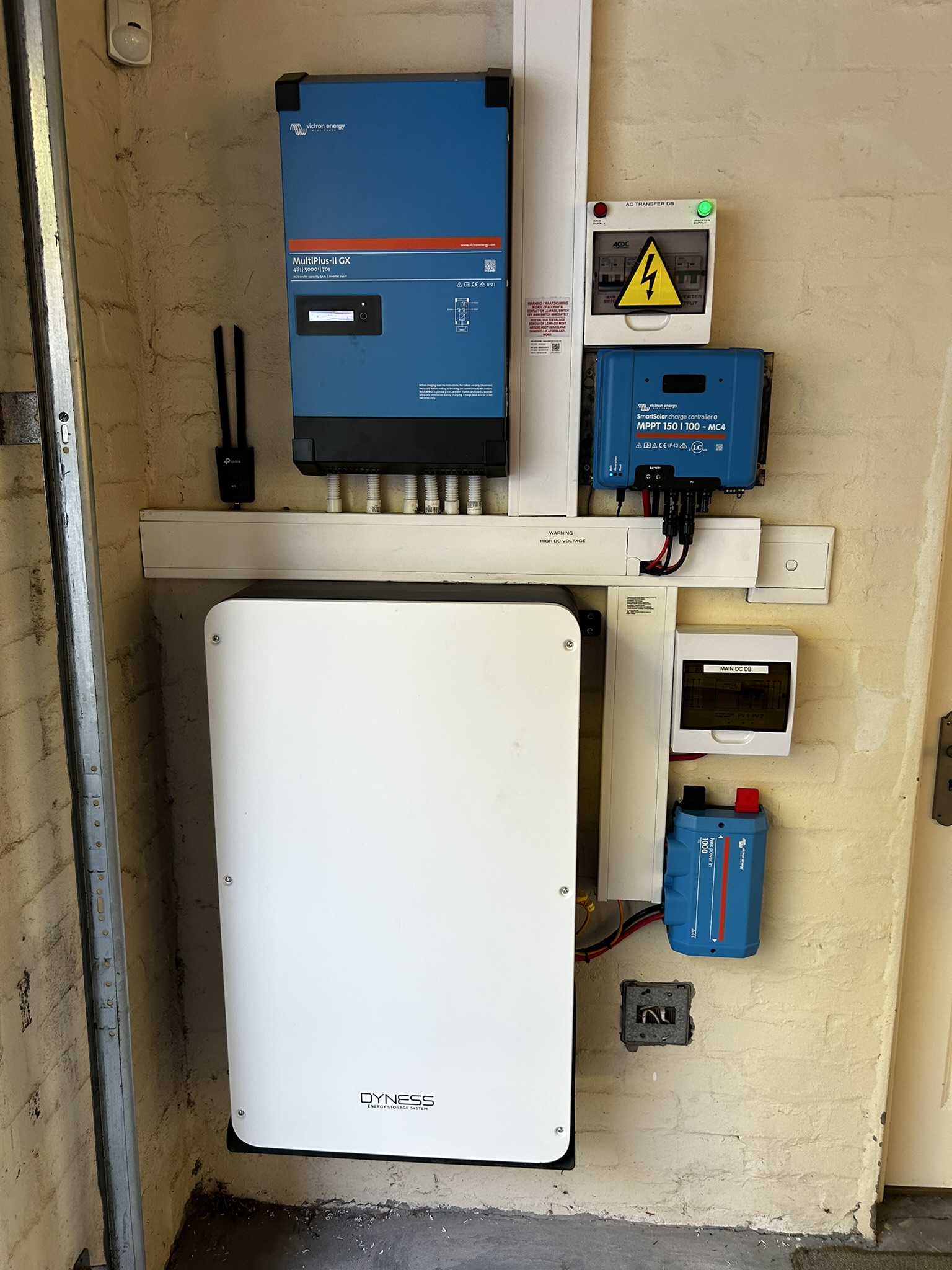
PV Modules are connected to meet the voltage requirements of the inverter where electrical current is converted from DC to AC. The inverter samples the output power from the PV modules and applies proper resistance to obtain maximum power. Solar inverters also detect abnormal currents and grid outages protecting your system from damage.
The maximum power point tracker (MPPT) increases energy produced per module. It monitors the direction of the sun and adjusts the module as needed for maximum exposure.
The three main types of inverters:
Grid inverters work and produce energy only during the day when the sun is shining, without a battery backup system. This is an older inverter technology and is used to reduce your consumption during the day. This system shuts down when there is no sun or when there is a power failure.
Hybrid inverters convert DC from your panels to AC, to power your home. It can also convert AC from the grid to DC to charge your battery. Hybrid inverters have different modes to provide power to essential appliances in your home in case of a power failure and are smart enough to offset both your essential and non-essential loads. This is the most common type of inverter currently being installed.
Off-grid inverters are designed to work without the grid. This means the inverter uses the energy generated by the PV modules and draws power from the battery. It converts DC directly to AC, to power your home or office. This system is only installed if there is no municipal supply available.
3. Battery
The battery is used to store energy.
Lead acid batteries are a cost-effective storage option. These are reliable batteries and works great with off-grid PV systems and as emergency backup storage.
Lithium-ion batteries have a long lifespan and does not require regular maintenance. These batteries have a higher depth of discharge meaning you can use more of the stored energy within the battery before it needs to recharge.

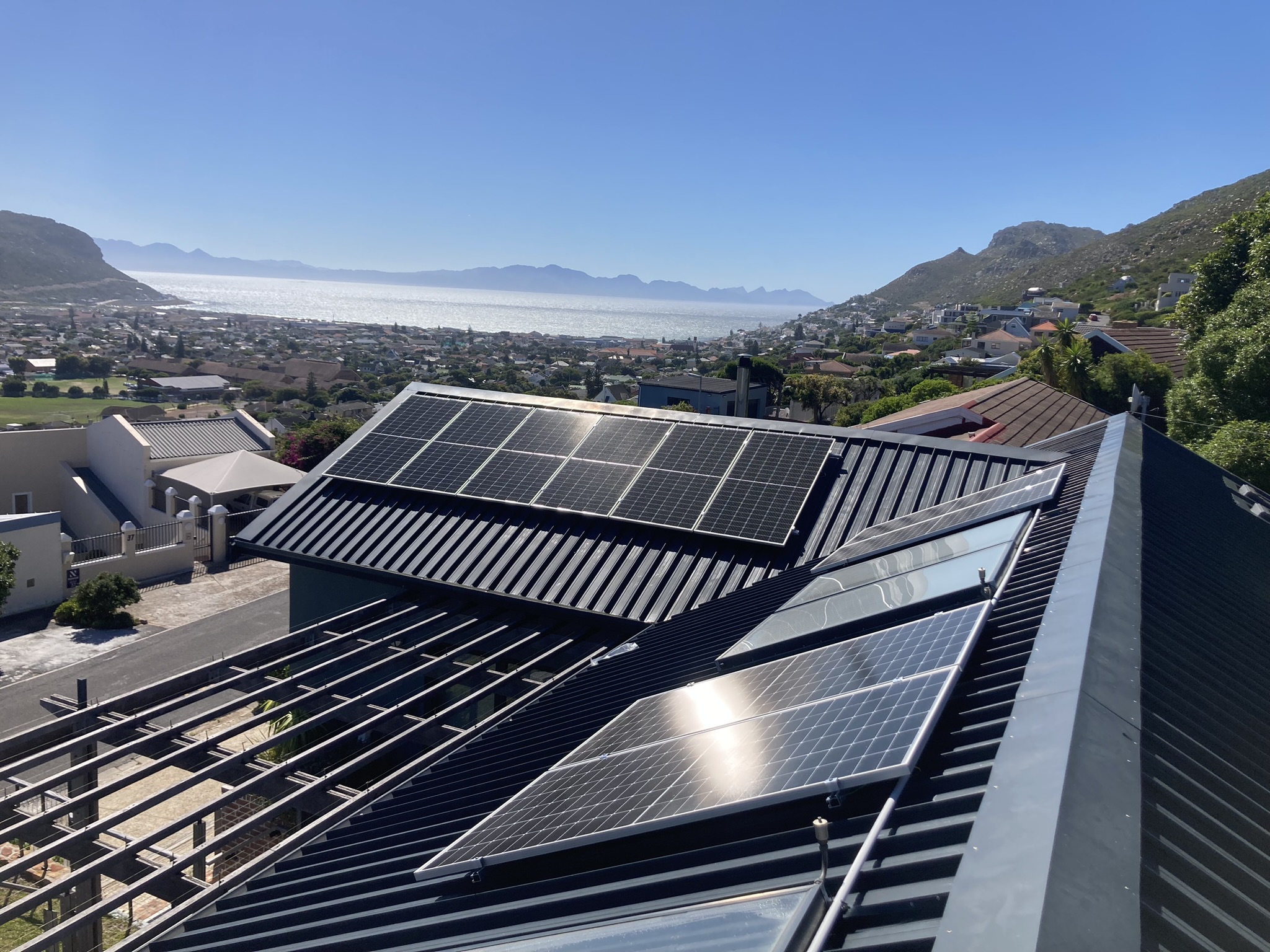
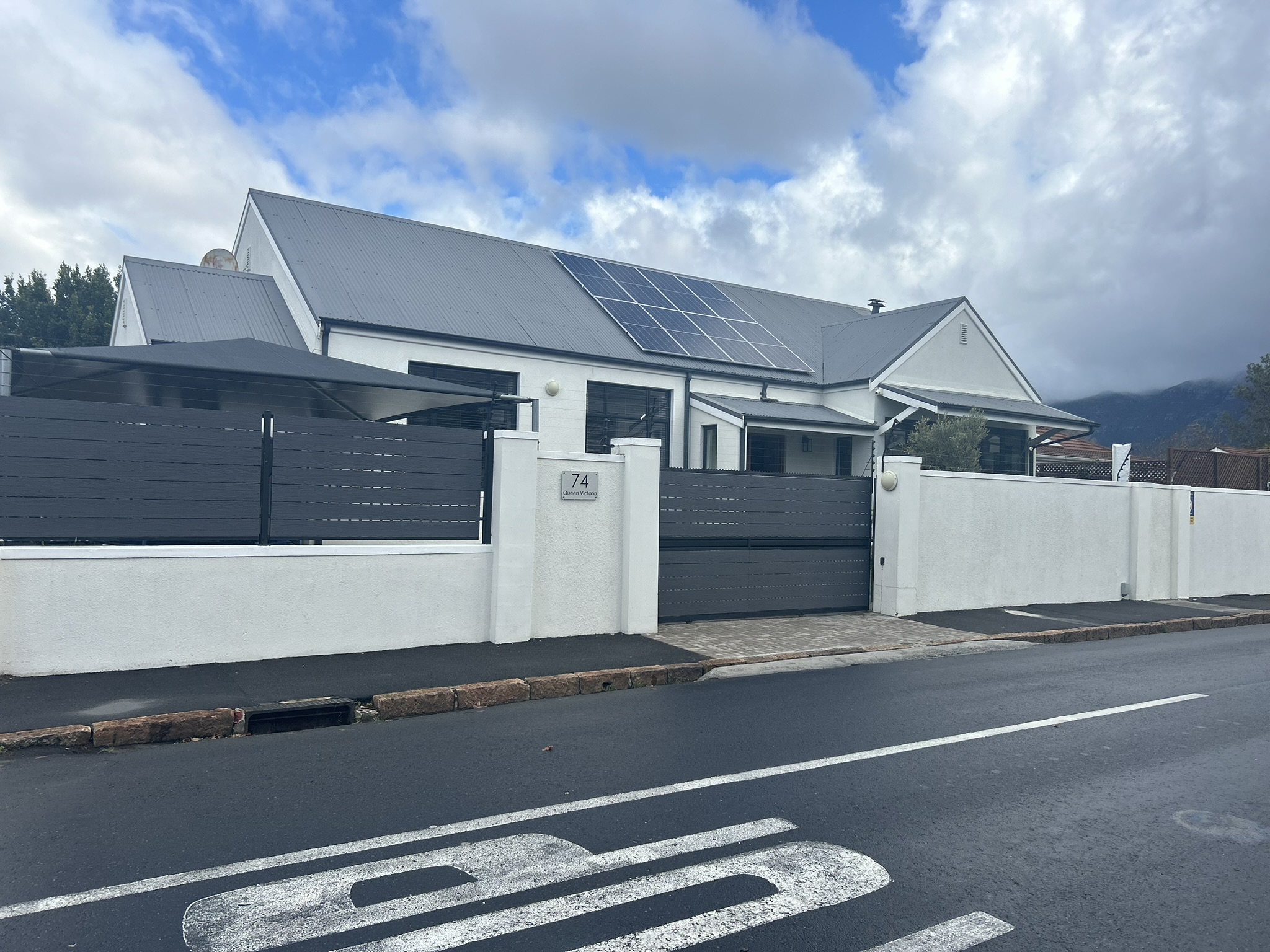
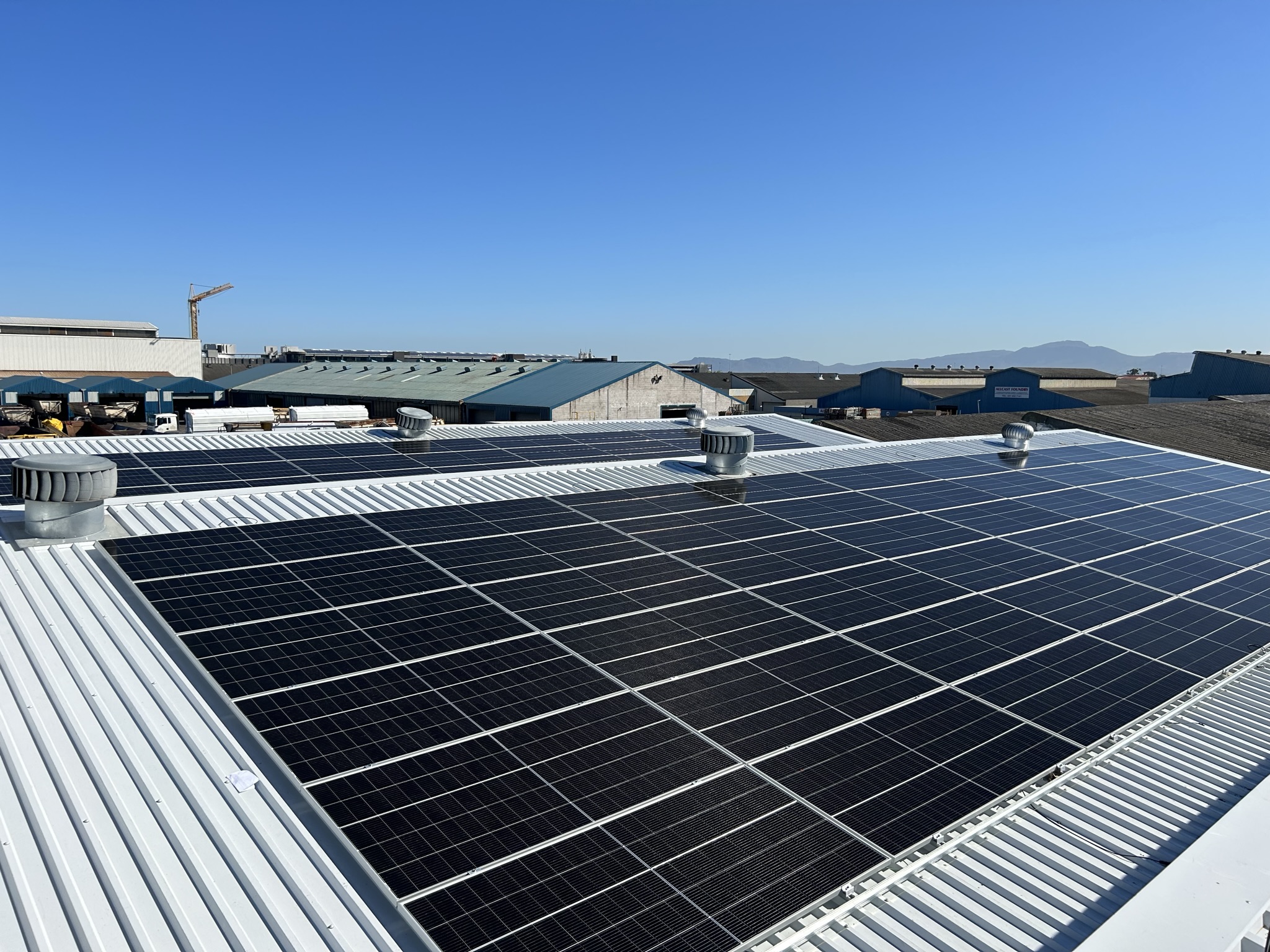
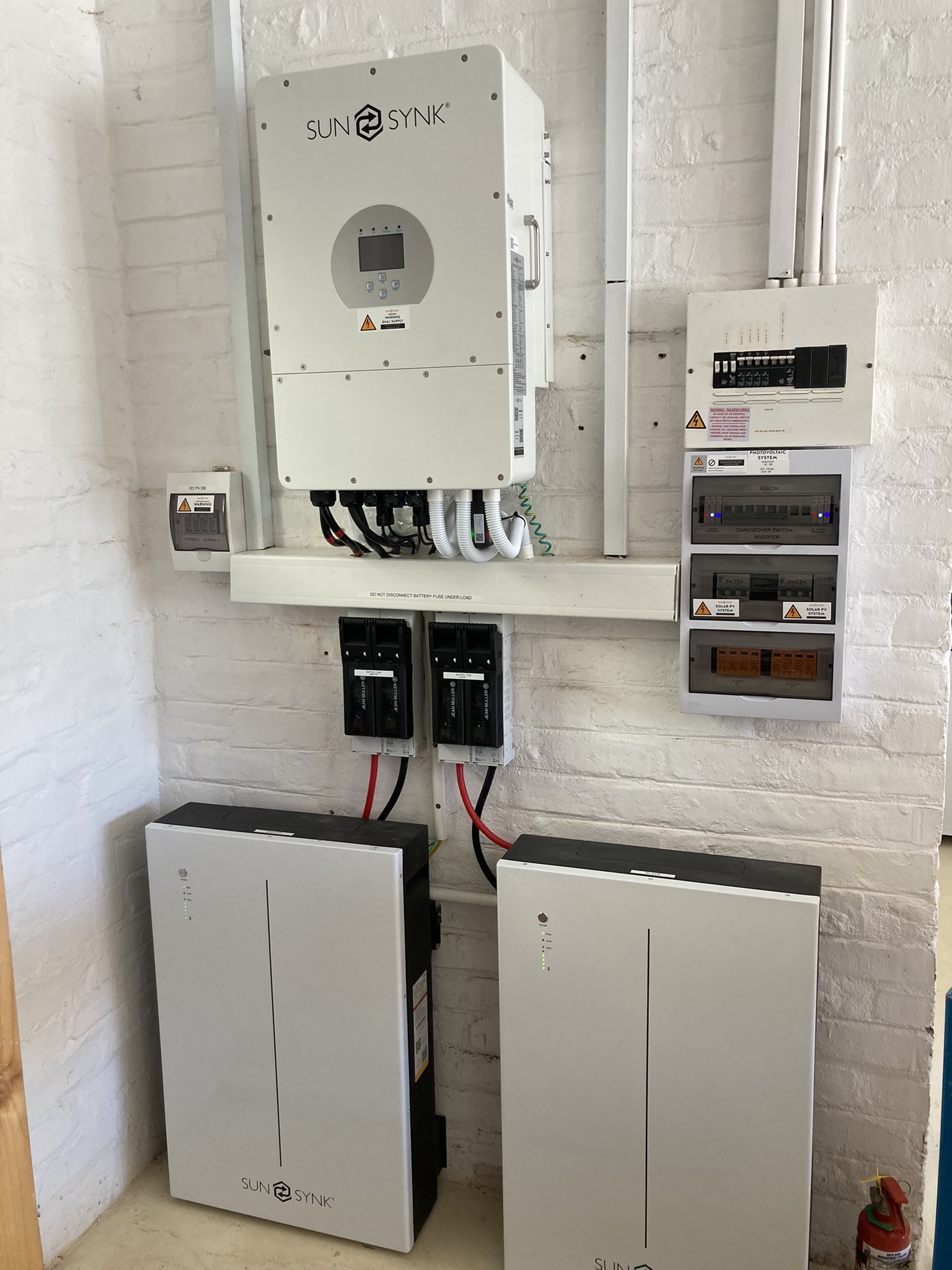
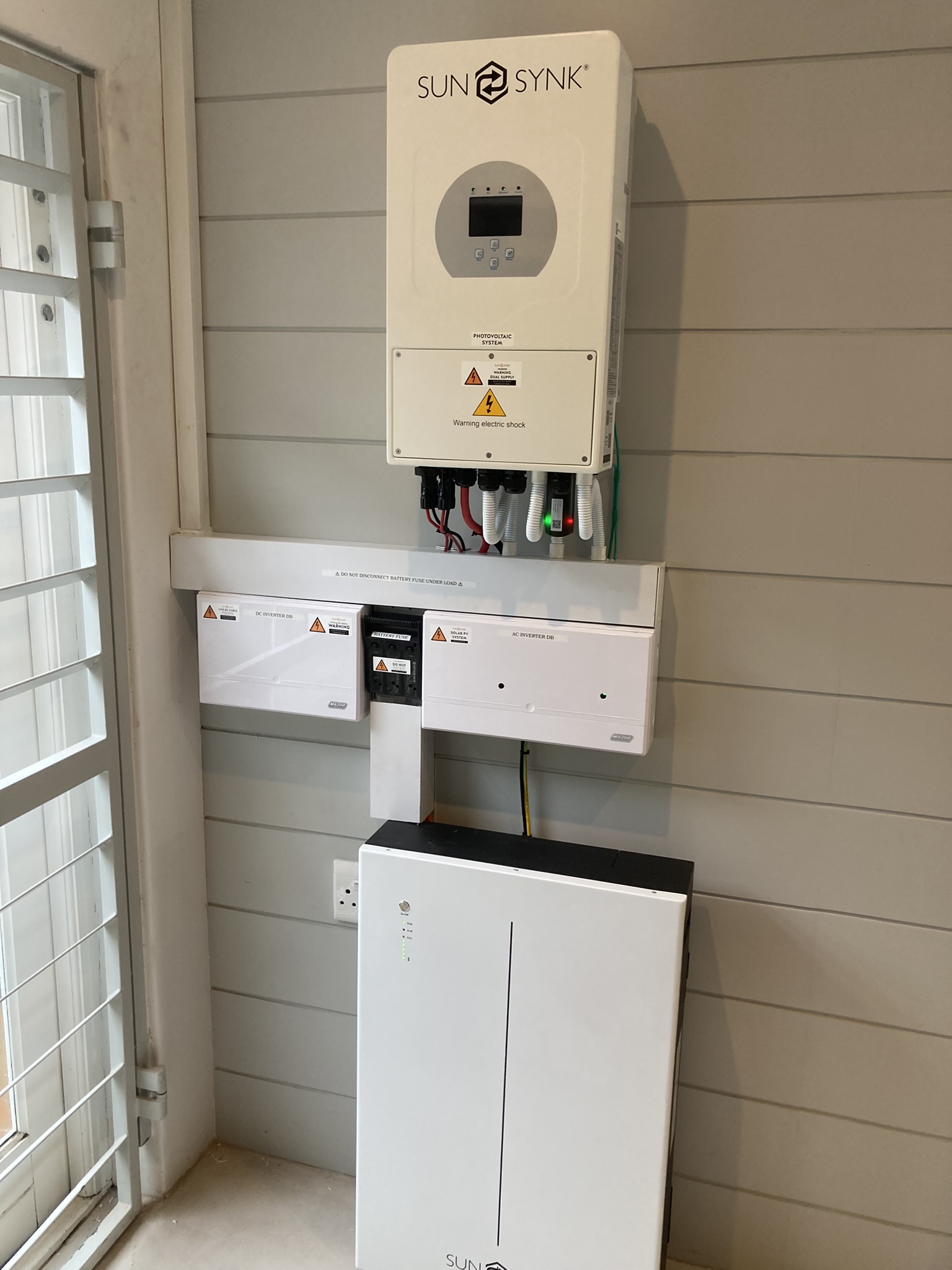
PV installations can be simple or complex. They range from small, rooftop mounted or building integrated systems to large commercial and utility scale power stations.
When purchasing components for your PV system, do your research. At Kiwi Worx we only work with tried and tested products that are exceptionally reliable and efficient, ensuring optimal performance and longevity for the end user.
Contact us now to set up an appointment to assess your needs
0765317355
info@kiwiworx.co.za
 Kiwi Worx Solar